National Tree Dispatch
Locations

Emergency tree removal in Mooseheart, Illinois 60539

If a tree has come down, is leaning, or has limbs hanging over something you care about in Mooseheart, this page connects you with tree crews covering ZIP code 60539. It also shows the most recent wind readings we have for the area, which are useful context after a storm.

Baseline readings

Latest readings are unremarkable: gusts of 18 mph and 0.00 in of rain. Note that trees also fail in calm weather when decay is advanced, so quiet readings are not a clean bill of health for any particular tree.

Mooseheart sits inside the 60539 postal area.

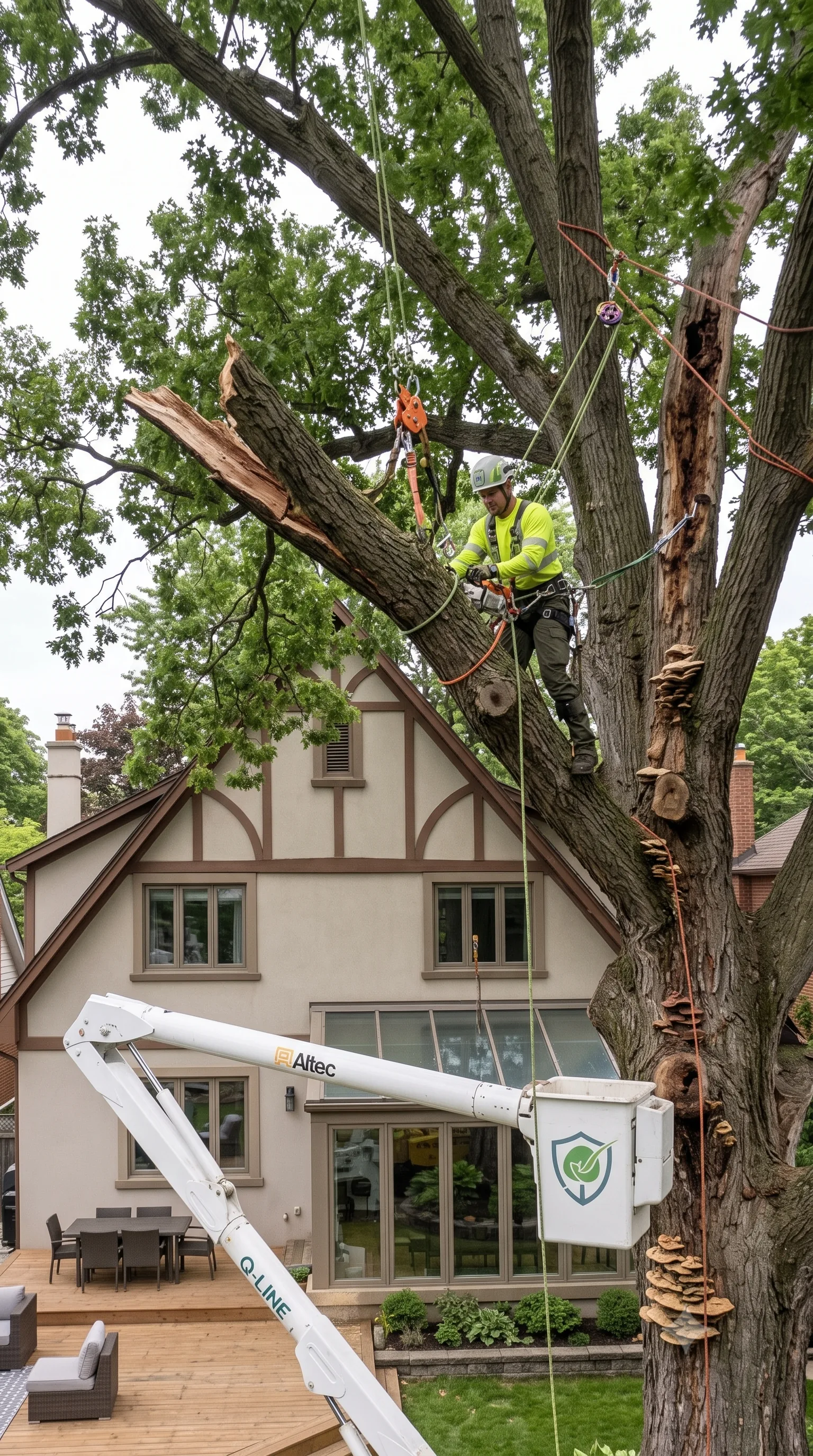
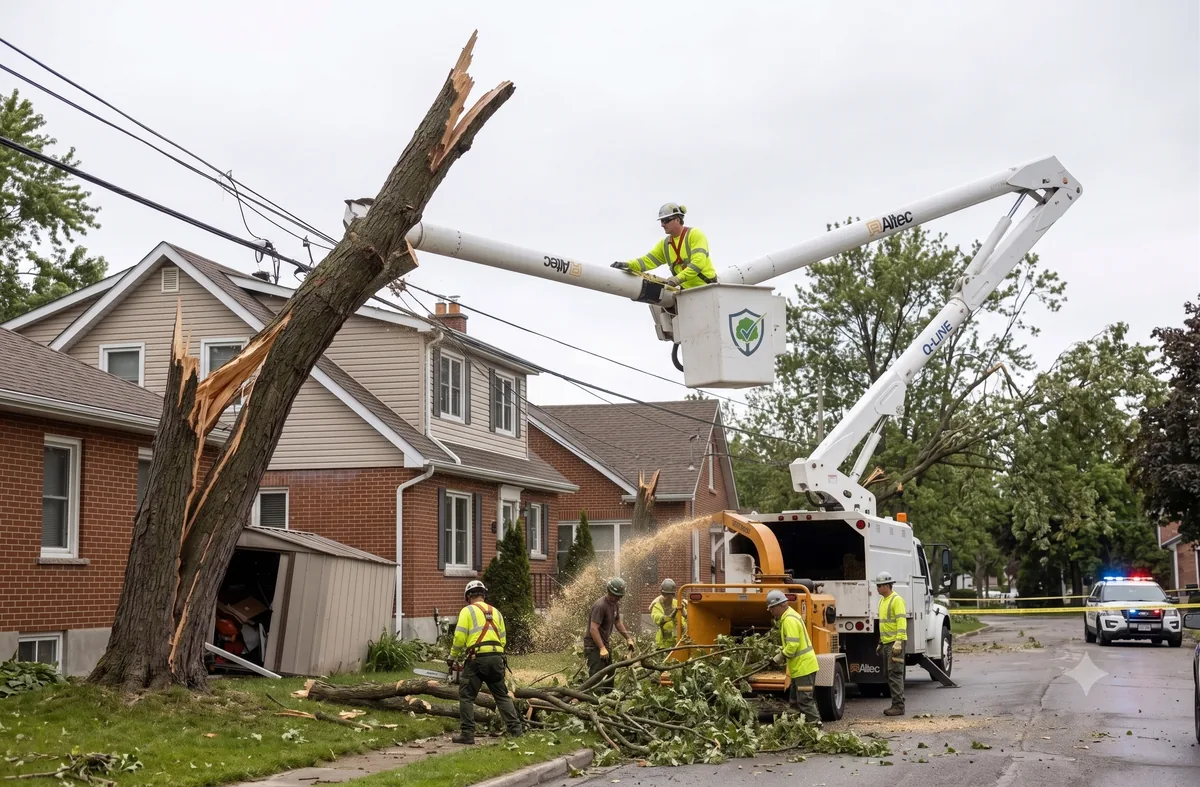
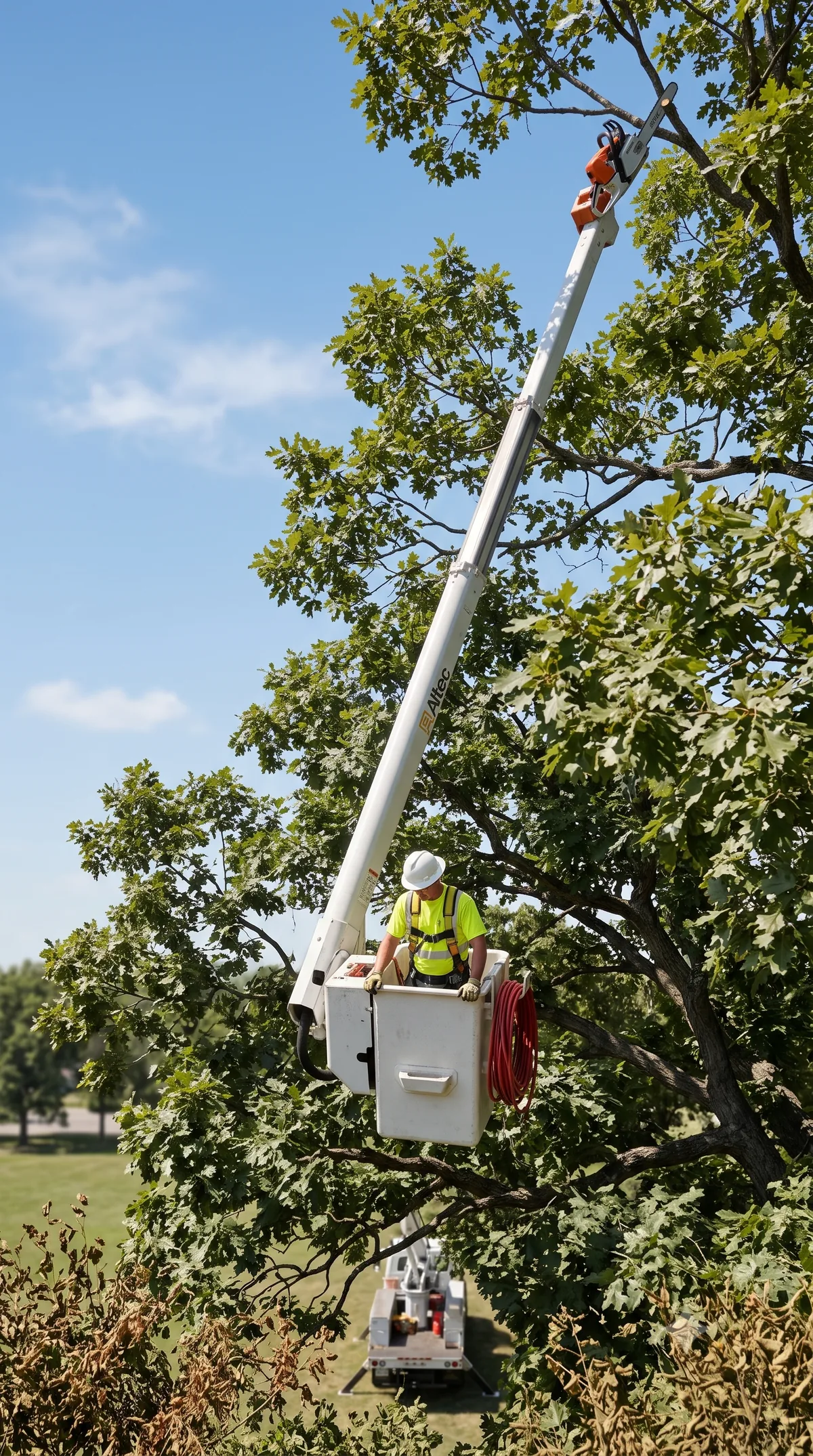
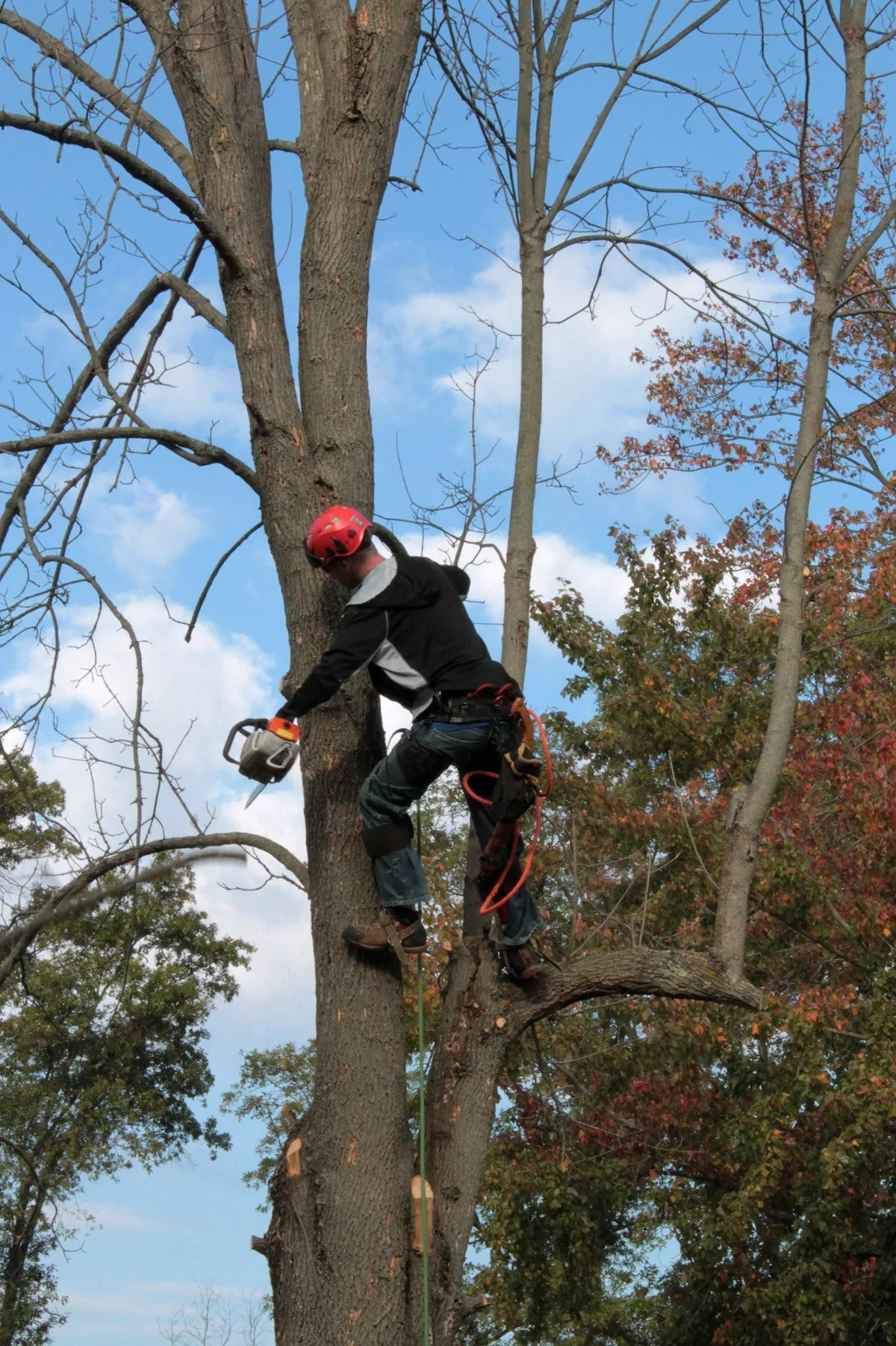
storm-damaged and hazardous trees work in a residential area

Before you do anything else

Storm-damaged trees hurt people every year. Please read these first:

  1. 01If any part of the tree is touching or near a power line, treat the line as live. Call your electricity network operator or emergency services — not a tree contractor. Do not approach it.
  2. 02Stay well clear of a leaning trunk or lifted root plate. Soil that has already moved can shift again without warning, and the trunk can swing sideways as it goes.
  3. 03Never cut a limb that is under tension, propped against something, or holding weight. Stored energy in a bent limb is what causes the worst chainsaw injuries.
  4. 04If a tree is resting on a roof or wall, keep people out of the rooms underneath until a crew has looked at it.
  5. 05Photograph the tree and whatever it has landed on, from a safe distance. It helps with both quoting and insurance.
  6. 06When you get quotes, confirm in writing whether the price includes stump grinding and hauling the debris away. That is the most common surprise on a tree bill.

Recent wind readings for this area

Collected . Readings are refreshed on a rotating queue rather than live, and describe the whole ZIP code area rather than any individual property.

Peak wind gust18 mph
Recent rainfall0.00 in
Peak wind gust
The strongest gust in the most recent readings for this postcode. Gusts, not sustained wind, are what usually bring limbs and whole trees down.
Recent rainfall
Heavy rain softens ground and adds weight to the canopy. Saturated soil plus wind is the combination that lifts root plates, so the two readings are worth looking at together.

Reading wind figures sensibly

A tree failure is a combination of the tree and the weather, and the weather is the part we can show you. Species, age, decay, previous pruning, root damage from nearby excavation, and how exposed the tree is all matter at least as much as the gust speed — which is why two trees in the same street behave differently in the same storm.

The gust figure for Mooseheart tells you what the wider area experienced. It does not describe the microclimate in your garden, and it cannot see decay inside a trunk. A tree that has been quietly hollowing out for years can fail in ordinary wind.

Treat a high reading as a reason to look at your trees, and any visible lean, lifted soil, cracked trunk, or hanging limb as a reason to get a qualified opinion regardless of what the numbers say.

Where the wind readings come from

To be clear about what this data is:

  • Gust and rainfall figures come from the Open-Meteo forecast API, which aggregates national weather service model output. We store the strongest daily gust, recent rainfall, and multi-day rainfall context for this postcode.
  • Where available, nearby official wind or severe-weather alerts from NOAA SPC (US), BOM land-warning RSS by forecast district (AU), or ECCC (CA) are listed separately from the model readings.
  • Housing density comes from published national census figures for the surrounding area.
  • The summary label is a threshold we apply to the gust reading so the page can be skimmed. The significant band aligns with common NWS severe-thunderstorm wind criteria (~58 mph). It is not an arboricultural hazard rating and is not derived from ISA TRAQ.
  • No one has assessed any specific tree. Tree risk assessment is a site visit by a qualified arborist who examines the tree, its target, and its defects.

Wind readings describe a whole postcode from public weather model data. They are not an assessment of any tree, and nothing here should be read as a judgement that a particular tree is safe or unsafe. Have a qualified arborist inspect the tree.

Questions people ask about storm-damaged trees

What wind speed brings trees down?

There is no reliable number. Healthy, well-rooted trees survive gusts that flatten a neighbouring tree with root or trunk decay, and soil condition changes the answer again — the same gust does more damage after days of rain. Reported failures start well below what most people expect, particularly for trees in saturated ground.

My neighbour's tree fell on my property. Who pays?

This varies by country, state, and insurer, and often turns on whether the tree was visibly defective beforehand and whether anyone had raised it. It is a question for your insurer and, if the amounts are significant, a lawyer. We only arrange the removal work.

Is stump removal included in tree removal?

Usually not by default. Felling, stump grinding, and debris removal are commonly priced as separate items. Ask for each to be listed on the quote so you are comparing like with like.

Can a crew come out at night or on a weekend?

For genuine emergencies — a tree on a house, blocking the only access, or threatening to fall on something — many crews do work out of hours, usually at a premium. Cutting in the dark is more dangerous, so expect a crew to make an area safe on arrival and complete the removal in daylight.

Request a tree crew

Describe the tree and what is at risk. We pass the details to tree contractors and arborists working in this area, and they contact you to arrange attendance. Free to you, with no obligation to accept a quote.

storm-damaged and hazardous trees — example 1storm-damaged and hazardous trees — example 2storm-damaged and hazardous trees — example 3